

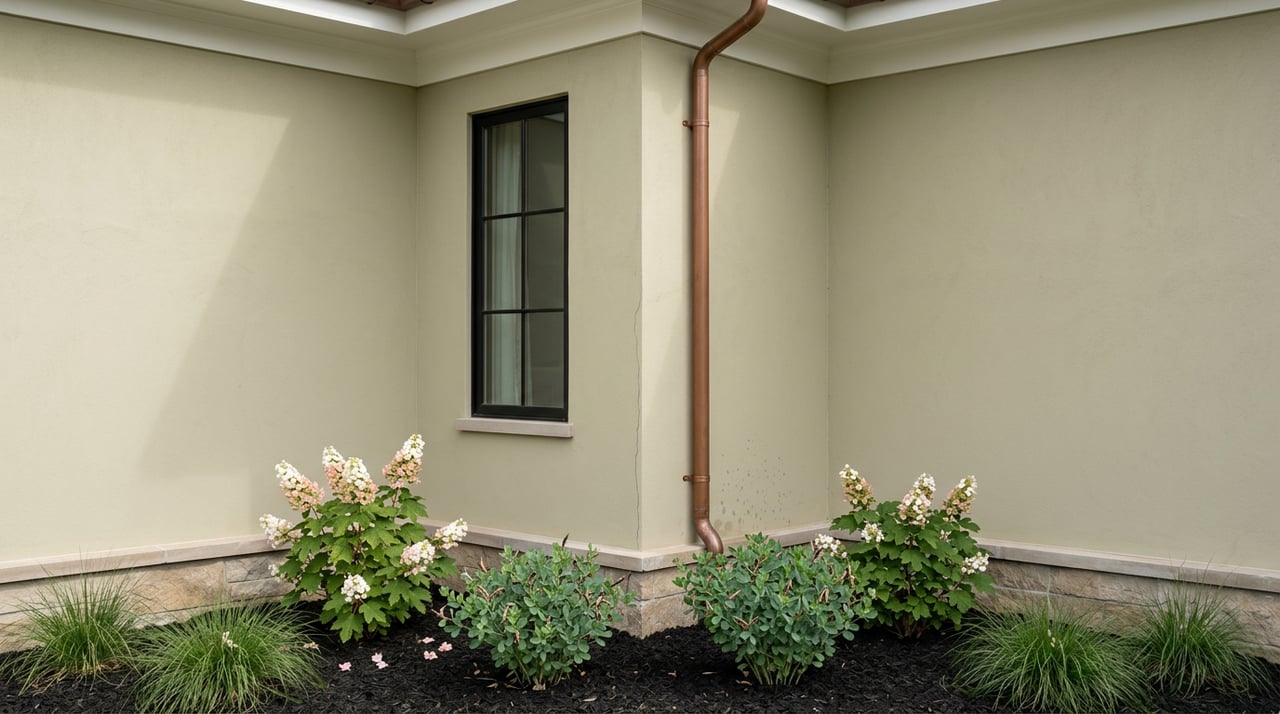
Before an inspector ever climbs into the attic, you can guess most of what they'll find. Not because every house is the same, but because in Excelsior it almost never is randomly different. The defects cluster by the decade a house was framed, and once you know which decade you're standing in, the inspection report stops being a mystery and starts being a forecast.
That matters more than square footage or list price when you're deciding what to fix before you list, or what to ask for before you waive a contingency. A meticulously maintained lakeside walkout from the 1970s and a glossy 1998 spec build two blocks apart can generate completely different negotiation conversations, and the difference has almost nothing to do with how well either owner kept house.
The Three Ages of an Excelsior House
Excelsior's housing stock breaks into three recognizable generations, each with its own signature failure mode. Lake-adjacent walkouts and older cottages carry the wiring and plumbing of their era. The 1960s through 1980s split-levels carry a different set of issues tied to roofing and grading. And the wave of upscale 1990s and 2000s construction, much of it clad in synthetic stucco, carries a problem that has nothing to do with age and everything to do with a specific material decision builders made for about a decade and a half.
| Era | What's typically original | What an inspector flags first |
|---|---|---|
| Older lake-adjacent homes and cottages | Knob-and-tube or aluminum branch wiring, original panels | Federal Pacific or Zinsco panels, ungrounded circuits, insurance eligibility |
| 1960s to 1980s split-levels | Cedar-shake roofing, original grading | Shake roofs at end of life, ice-dam damage, attic-bypass condensation |
| Late-1980s to 2000s upscale builds | Polybutylene plumbing, EIFS synthetic stucco cladding | Moisture trapped behind stucco elevations, plumbing failures, resale value impact |
A licensed home inspector serving Excelsior has built service pages specifically around this pattern, noting that the market includes lake-adjacent walkouts, 1960s-80s split-levels, and upscale 1990s-2000s synthetic-stucco builds, and calibrating each inspection to the defects that actually show up in that housing stock rather than a generic national checklist. That's a useful frame for a seller trying to decide what to address before a buyer's inspector arrives, and for a buyer trying to figure out whether a finding is routine or a real negotiating chip.
Synthetic Stucco Is a Different Kind of Problem
Of the three eras, the synthetic-stucco generation deserves the closest look, because unlike a worn roof or an outdated panel, this one is a system problem rather than a maintenance problem.
Exterior Insulation and Finish Systems, known as EIFS, were marketed through the 1990s as a maintenance-free alternative to traditional stucco. The pitch was accurate about the look and inaccurate about the maintenance. Traditional stucco is porous, so moisture that gets behind it can escape. EIFS is a sealed system built over rigid foam board, so water that finds its way in through a crack, a poorly flashed window, or a fastener penetration has nowhere to go. It sits against the wood sheathing and framing until it causes rot, and by the time it's visible from outside, the damage is usually already extensive.
The consequences aren't cosmetic. Industry reporting on EIFS-related construction defect cases has documented home value reductions in the range of 20 to 35 percent on affected properties, and some insurers have excluded EIFS-clad homes from coverage entirely or required specialized underwriting. The International Association of Certified Home Inspectors notes that once wood moisture behind the cladding reaches roughly 30 percent, rot sets in, and the only reliable fix at that point is removing and replacing the affected sections rather than patching them.
None of this means a synthetic-stucco home in Excelsior is a home to avoid. It means that if you're selling one, a moisture probe report before you list is worth the cost of finding out early rather than during a buyer's ten-day contingency window. And if you're buying one, that inspection line item is not the same category of finding as a worn furnace filter.
The Insurance Clock Nobody Mentions at the Showing
Here's the mechanism that actually catches people off guard, and it has less to do with the inspector's report than with what happens after you read it.
Older homes in and around Excelsior sometimes still carry knob-and-tube wiring or legacy panel brands like Federal Pacific Stab-Lok or Zinsco, both of which are treated by underwriters as coverage eligibility issues rather than footnotes. Many insurers simply won't write a new homeowner's policy on a house with active knob-and-tube wiring, which means a buyer can't close until it's addressed. Minnesota follows the 2023 National Electrical Code statewide, and under Article 394.12, knob-and-tube wiring can't remain in service in wall, ceiling, or attic spaces where it will be surrounded by loose, rolled, or foamed-in insulation, which is exactly the kind of upgrade a lot of owners want to make for energy efficiency.
That creates a real timing problem. According to BH Electric, once an inspection surfaces active knob-and-tube or a flagged panel, insurers issuing corrective riders commonly require the work completed within 30 to 60 days, with proof in the form of a permit and a signed-off inspection, not just a contractor's word that it's handled. When standard carriers decline to write a policy at all, Minnesota's FAIR Plan can sometimes provide temporary placement, but even that typically requires the unsafe wiring to already be in active repair with a permit filed. One Twin Cities electrical contractor put it plainly: electrical findings are the single most common reason a Minnesota home sale falls through, more often than any other inspection category.
Aluminum branch wiring, common in homes built from the mid-1960s through the late 1970s, carries its own version of this risk. The Consumer Product Safety Commission has found that homes with aluminum wiring are 55 times more likely to have fire-hazard conditions at outlets and switches than homes wired with copper, a statistic that shows up in underwriting decisions as often as in fire codes.
If you're selling an older home, this is worth getting ahead of before you list rather than after an inspection report starts a clock you didn't know was running. If you're buying one, ask about panel brand and wiring type before you're deep into a purchase agreement, not after.
Why Every Excelsior Inspector Runs a Sewer Scope
There's a defect pattern specific to lake towns with mature tree canopies that doesn't show up in a generic Minnesota home inspection guide: oak-wilt root intrusion into sewer laterals. Excelsior's tree cover is part of what makes the town what it is, but tree roots, especially oak roots seeking moisture, are drawn to the small cracks and joints in older clay or cast-iron sewer lines. A sewer scope is the only way to see it before it becomes a backed-up line or a collapsed lateral, which is why local inspectors treat it as a standard part of the inspection rather than an optional add-on.
The same tree-and-slope geography drives a seasonal pattern worth planning around. Winter brings ice damming and attic-bypass condensation on the steep cedar-shake roofs common on the 1960s-80s split-levels. Spring thaw is when foundation movement and lot-drainage failures on sloped lake lots tend to surface, since that's when frozen ground releases water it's been holding all winter. Humid summers accelerate concealed moisture and mold in any home with a compromised building envelope, synthetic stucco or otherwise.
Timing This Right This Fall
If you're planning to list an Excelsior home before winter, the practical move is to have the era-specific issue checked before a buyer's inspector finds it for you. A synthetic-stucco home benefits from a moisture probe now, while there's still time to scope a repair budget or price accordingly, rather than in the middle of a fall closing timeline. A pre-1980 home benefits from a panel and wiring check now, since a knob-and-tube finding in November with a 30 to 60 day insurance rider deadline is a much harder conversation heading into a Minnesota winter than the same finding in September.
If you're buying, the reverse holds. Knowing which era you're touring tells you which questions to ask before you write an offer, not after your inspection contingency is running.
A Few Questions We Get Often
Does having EIFS siding mean I have to replace it before selling? Not necessarily. A moisture probe can determine whether the system is intact or already compromised. Many EIFS-clad homes sell without issue when there's documentation that the cladding is dry and the flashing details are sound.
Is knob-and-tube wiring automatically a deal breaker? Not automatically, but it is almost always an insurance conversation. If it's been fully abandoned and replaced with modern circuits, that's very different from active knob-and-tube still carrying load, especially near insulation.
How do I know if my house has EIFS instead of traditional stucco? One rough test inspectors use is checking whether the cladding stands away from the foundation by three quarters of an inch or more, since the foam board underneath makes EIFS thicker than traditional hard-coat stucco. A licensed inspector or contractor can confirm it definitively.
Buying or selling in Excelsior means dealing with a housing stock that tells you a lot about itself once you know what to look for. If you're weighing when to list, what to disclose, or what an inspection finding actually means for your negotiating position, the team at Holmers Group has spent decades working through exactly these conversations on Lake Minnetonka's west side. Schedule a Consultation and we'll walk your specific situation through with you before it becomes a surprise on someone else's timeline.
This article is general information, not legal, tax or financial advice. Consult a qualified professional about your situation.