

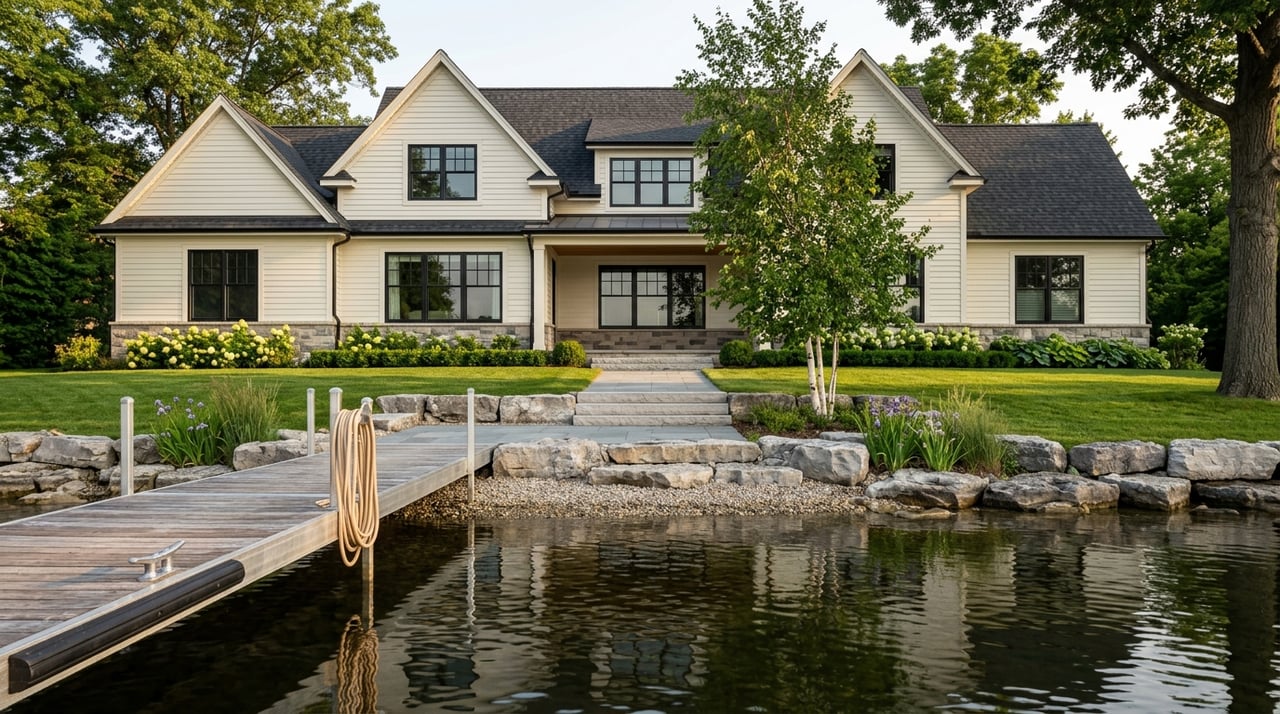
If your idea of home starts with water views, dock routines, and a slower daily pace, Tonka Bay deserves a closer look. This small Lake Minnetonka community offers a lifestyle that feels connected to the lake in almost every direction, with parks, beaches, trails, and marinas woven into everyday life. If you are wondering what it is actually like to live on the water here, this guide will walk you through the rhythm, perks, and practical realities of lakefront living in Tonka Bay. Let’s dive in.
Why Tonka Bay Feels Different
Tonka Bay is small by design and by feel. The 2020 Census counted 1,442 residents and 586 households, and the Metropolitan Council’s 2024 estimate places the city at 1,556 residents and 667 households.
That smaller scale shapes daily life. The city’s planning materials note that virtually every part of Tonka Bay sits within 800 feet of Lake Minnetonka, a lagoon, or wetland, which helps explain why the lake feels so present in the background of normal routines.
Daily Life Centers on the Water
In Tonka Bay, the waterfront is not just scenery. It is part of how you move through the day, whether that means heading out for a morning walk, stopping by a park, checking on your dock, or meeting friends near the marina.
The city’s parks and waterfront spaces support that pattern. Crescent Beach, Wekota Park and Beach, Old Orchard Park, Manitou Park, and municipal docks all contribute to a lifestyle that feels active, outdoorsy, and closely tied to the shoreline.
Parks Add Everyday Flexibility
Wekota Park and Beach offers a walking trail, picnic tables, playground equipment, tennis, and pickleball. That mix gives you options for both quiet downtime and casual activity close to home.
Manitou Park adds even more variety with two ball fields, a basketball court, an ice-skating rink, a warming house in winter, a dog park in summer, playground equipment, a picnic shelter, and a BBQ area. Old Orchard Park includes picnic tables, a grill, a swing set, and a fishing pier, which makes it an easy place to spend a simple afternoon outdoors.
Beaches Support a Relaxed Summer Rhythm
Crescent Beach and Wekota Beach help define the warm-weather pace in Tonka Bay. During summer, Hennepin County collects weekly water samples at both beaches, and the city directs residents to a real-time beach-status map.
That kind of routine matters when you live near the lake. It supports a lifestyle where beach visits, shoreline walks, and time outside can be part of an ordinary weekday, not just a weekend plan.
Boating Is Part of the Culture
Living in Tonka Bay means living alongside one of the busiest recreational lakes in the state. Lake Minnetonka spans more than 14,000 acres and is the largest lake in the Twin Cities metropolitan area.
The Minnesota DNR describes the lake as a system of basins with different depths, bottom types, and fertility levels. It also notes that the lake is popular year-round and that boat traffic and crowded ramps are common at busy times.
What That Means for Your Routine
If you own waterfront property, boating access often becomes part of your weekly schedule. So does keeping up with the practical side of lakeshore ownership, from seasonal dock work to understanding how local water rules affect day-to-day use.
The Lake Minnetonka Conservation District, or LMCD, says the lake’s governance spans 14 cities, two counties, and multiple agencies. In plain terms, lake living here comes with shared rules and a level of coordination that helps manage a very active body of water.
Wake Rules Matter Near Shore
One of the most important everyday rules is the wake zone. LMCD’s wake rule sets a 5 mph speed limit within 300 feet of shore for all watercraft, with the goal of reducing wakes and shoreline erosion.
For you as a homeowner or buyer, that affects how near-shore boating feels and functions. It also highlights an important truth about lakefront living in Tonka Bay: the best experience comes from enjoying the lake while respecting the shoreline and the people around you.
Water Levels Shape Lakeshore Ownership
Lakefront living is beautiful, but it is also practical. Water levels can change with the season, and those changes can affect dock placement, shoreline maintenance, and how you plan around the lake.
LMCD states that Lake Minnetonka’s ordinary high-water level is 929.4 feet and that levels fluctuate seasonally. The Minnehaha Creek Watershed District manages lake levels with the Grays Bay Dam when feasible, which adds another layer of structure to how the lake is maintained.
Small Details Become Normal
In Tonka Bay, some of the most important parts of daily life are the ones new buyers do not always think about first. You may find yourself paying more attention to shoreline conditions, wake awareness, and seasonal maintenance than you would with an inland home.
Those tasks are not drawbacks so much as part of the lifestyle. For many homeowners, they are part of what makes lake living feel hands-on, seasonal, and connected to the environment around you.
Tonka Bay Has a Village-Style Amenity Mix
Tonka Bay is not trying to be a major retail hub, and that is part of its appeal. The city offers a compact group of businesses on and near Manitou Road and Lakeview Avenue, including Caribbean Marina & Restaurant, Tonka Bay Marina, Caribou Coffee, Hazellewood Grill & Tap Room, Joey Nova’s Pizzeria, and Country Club Lanes.
That lineup supports a village-style pattern of living. You can enjoy nearby conveniences and familiar local stops, while the broader South Lake area adds additional destinations for arts, history, and community resources.
Nearby Amenities Expand the Lifestyle
The city’s community links point residents toward the Excelsior Library, the Excelsior-Lake Minnetonka Chamber of Commerce, the historical society, the Minnetonka Center for the Arts, the Minnesota Streetcar Museum, and the Museum of Lake Minnetonka. Together, these resources add texture to everyday life without changing the city’s quieter scale.
If you want a lake-oriented setting with useful local amenities, Tonka Bay strikes a distinct balance. It feels close to activity, but it still reads as small, residential, and waterfront-first.
Four Seasons Keep the Lake Active
One of the biggest misconceptions about lakefront living is that it is mostly a summer story. On Lake Minnetonka, the lifestyle continues all year.
The DNR says sunfish and crappies support year-round fishing, and the lake also supports bass tournaments, muskie, northern pike, and walleye. LMCD notes that winter activity on the lake can include snowmobiling, ice fishing tournaments, and ice skating gatherings.
Winter Has Its Own Rhythm
Winter use comes with a different set of habits and cautions. LMCD says the shore zone is generally limited to non-motorized activities such as walking, snowshoeing, skating, cross-country skiing, and fishing.
It also warns that ice is never completely safe and that some areas may include licensed de-icing operations or open water. For you, that means winter lake life can be enjoyable and memorable, but it also requires awareness and good judgment.
City Parks Support Year-Round Use
Tonka Bay’s park system mirrors that four-season pattern. Manitou Park includes an ice-skating rink and warming house in winter, while Wekota Park and Beach offers trails and courts that support activity beyond peak summer months.
That year-round access matters if you want your home to support your lifestyle in every season. In Tonka Bay, the lake is not just a backdrop for a few warm months. It stays part of the local rhythm all year.
Who Tonka Bay Fits Best
Tonka Bay tends to appeal most to buyers who want a water-first lifestyle with a small-town footprint. It can be a strong fit if you value being close to the shoreline, enjoy outdoor recreation, and appreciate having local dining and coffee nearby without needing a large commercial district.
It may also resonate if you are planning a next chapter. Early-stage buyers, move-up buyers, and future downsizers can all be drawn to the combination of lake access, manageable scale, and four-season recreation.
The Tradeoffs Are Part of the Lifestyle
Every lake community has defining realities, and Tonka Bay is no exception. The city’s context points to familiar lakeshore considerations like dock wait lists, changing water levels, wake restrictions, winter ice safety, and a smaller commercial base than a larger suburb.
For the right buyer, those are not deal-breakers. They are part of what gives Tonka Bay its identity and sets expectations for how daily life on the water actually works.
Why Local Guidance Matters
A lakefront move is rarely just about square footage or finishes. It is also about how a property connects to the water, how the setting functions through the seasons, and how well the home fits the lifestyle you want next.
That is where local knowledge makes a real difference. When you understand the nuances of Lake Minnetonka communities, you can make more confident decisions about location, access, upkeep, and long-term fit.
If you are considering a move in Tonka Bay or anywhere around Lake Minnetonka, Holmers Group can help you evaluate the lifestyle, property options, and market opportunities with the kind of local perspective that comes from decades of experience.
FAQs
What is daily life like in Tonka Bay for lakefront homeowners?
- Daily life in Tonka Bay often revolves around the shoreline, with parks, beaches, docks, trails, and marinas playing a regular role in how you spend time close to home.
What parks and beaches are available in Tonka Bay?
- Tonka Bay offers Crescent Beach, Wekota Park and Beach, Old Orchard Park, Manitou Park, and municipal docks, with amenities that include trails, picnic areas, playgrounds, courts, and a fishing pier.
What boating rules should buyers know about on Lake Minnetonka near Tonka Bay?
- LMCD’s wake rule sets a 5 mph speed limit within 300 feet of shore for all watercraft to help reduce wakes and shoreline erosion.
What should buyers expect about water levels in Tonka Bay?
- Lake Minnetonka water levels fluctuate seasonally, which can affect dock placement, shoreline maintenance, and other parts of normal lakeshore ownership.
Is Tonka Bay only a summer lake community?
- No. Lake Minnetonka supports year-round recreation, and Tonka Bay’s parks also support winter activities like skating along with trails and outdoor gathering spaces in other seasons.
Who is Tonka Bay a good fit for?
- Tonka Bay often fits buyers who want a water-first lifestyle, a smaller residential setting, nearby dining and coffee, and a strong four-season outdoor routine.